 Save
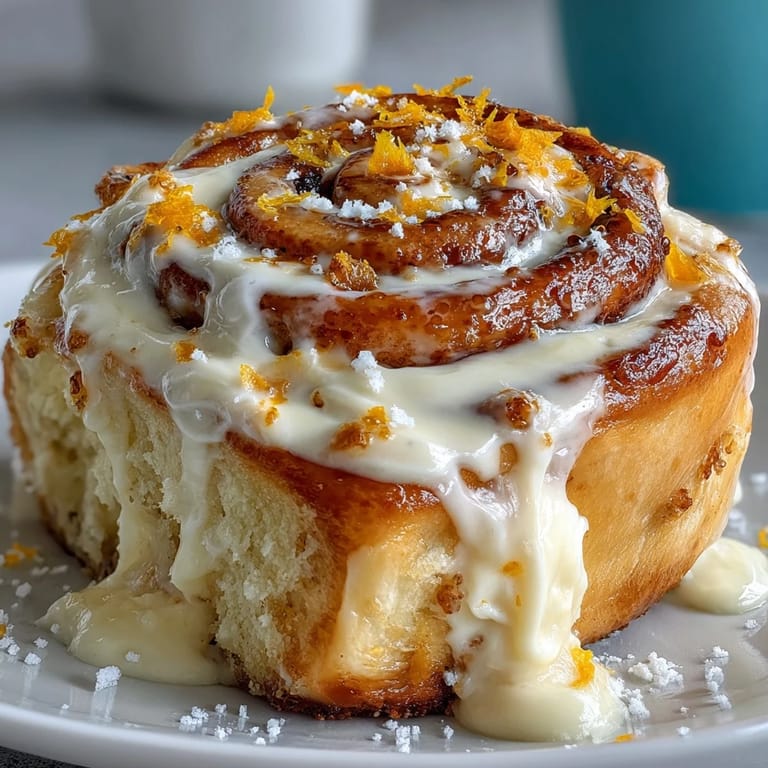
Save There's something about the smell of orange zest hitting warm butter that makes a kitchen feel instantly celebratory, even on a Tuesday morning. I stumbled into these rolls during one of those experimental phases where I was determined to rescue my cinnamon roll habit from monotony, and honestly, the citrus angle changed everything. The dough itself is impossibly soft, almost cloud-like, and the filling smells so bright and alive that you'll want to eat the raw dough (don't, but understand the temptation). What really got me hooked was watching people's faces when they bit into the first warm roll—that moment of surprise when citrus hits instead of cinnamon, followed by immediate understanding that this was an upgrade, not a departure.
I made these for my sister's Sunday brunch last spring, and she ate two while still standing in the kitchen, didn't even sit down. She'd been stress-baking sourdough all week and needed something that didn't require patience, and these delivered exactly that—the kind of breakfast that feels indulgent without the fussy temperament of laminated doughs. That's when I realized these rolls aren't just good for you; they're good for the people eating them, the kind of food that softens a mood or marks an ordinary morning as worth remembering.
Ingredients
- All-purpose flour (3 1/4 cups): The foundation, and you want it fresh because stale flour can make your dough dense instead of pillowy.
- Active dry yeast (2 1/4 tsp): This is your leavening agent, and warming the milk and juice mixture to around 110°F ensures it wakes up properly without killing it.
- Whole milk and fresh orange juice (1/2 cup and 1/4 cup): Together, they create moisture and tanginess that prevents the dough from being one-note; don't skip the juice, it's not optional flavor.
- Orange zest (from 2-3 large oranges total): Zest before you juice, and make sure you're using unwaxed oranges or washing thoroughly because you're eating the peel.
- Unsalted butter (5/8 cup total): Melted for the dough, softened for the filling and frosting—each form serves a different purpose, so measure carefully.
- Granulated and powdered sugar: The filling uses granulated to release oils from the zest, while powdered sugar in the frosting provides smoothness without grittiness.
- Cream cheese for the frosting: Bring it to room temperature or the frosting will be lumpy no matter how long you beat it; trust me, I learned this the hard way.
- Eggs (2 large, room temperature): Cold eggs can cool your dough and mess with fermentation timing, so pull them out 30 minutes before starting.
Tired of Takeout? 🥡
Get 10 meals you can make faster than delivery arrives. Seriously.
One email. No spam. Unsubscribe anytime.
Instructions
- Activate the yeast:
- Warm your milk and orange juice to around 110°F (you can feel this on your inner wrist—it should feel like a pleasant bath temperature, not hot). Add the yeast and sugar, stir gently, and let it sit for 5 to 10 minutes until it looks foamy on top; if it doesn't foam, your yeast is dead and you need to start over.
- Build the dough:
- Pour the foamy mixture into a large bowl and add melted butter, eggs, orange zest, and salt. Mix everything until combined, then start adding flour gradually while stirring, because dumping it all in at once creates flour clouds and stress. Knead by hand or stand mixer for 8 to 10 minutes, adding tiny pinches of flour if the dough sticks—you want soft and slightly tacky, not dry.
- First rise:
- Transfer your dough to a greased bowl, cover it with a damp towel or plastic wrap, and let it sit in a warm spot (I use an oven with the light on) for about an hour until it's doubled. The kitchen will smell incredible during this wait, so plan accordingly.
- Prepare the filling:
- While dough rises, mix granulated sugar and orange zest in a small bowl; rub it together between your fingers to release the oils and turn it into fragrant, slightly damp sugar granules. Soften your butter separately so it spreads easily without tearing the dough later.
- Shape the rolls:
- Punch down your dough (it's satisfying), turn it onto a lightly floured surface, and roll it into a 16-by-10-inch rectangle. Spread softened butter evenly over the dough, then sprinkle the orange sugar mixture in an even layer, making sure every spot gets some.
- Roll and cut:
- Starting from the long side, roll the dough toward you tightly like you're making a log, sealing the edge by pinching it closed. Using a sharp knife or dental floss (floss sounds weird but it really does cut cleaner), divide the log into 12 equal rolls—a serrated knife works too if you use a gentle sawing motion instead of pressure.
- Second rise:
- Arrange rolls in a greased 9-by-13-inch baking dish with a little space between them (they'll puff into that space), cover with a damp towel, and let them rise for 30 to 40 minutes until puffy and touching. You'll see them expand slightly and look almost ready to bake.
- Bake:
- Preheat your oven to 350°F and bake for 22 to 25 minutes, until the tops are golden brown and a toothpick poked into the thickest roll comes out clean. The kitchen will fill with this incredible citrus-caramel smell as they bake.
- Make the frosting:
- While rolls bake, beat room-temperature cream cheese and butter together until smooth, then add powdered sugar gradually so you don't create a powdered sugar cloud. Add orange juice, zest, vanilla, and a pinch of salt, and beat until it's creamy and spreadable but not soupy.
- Finish:
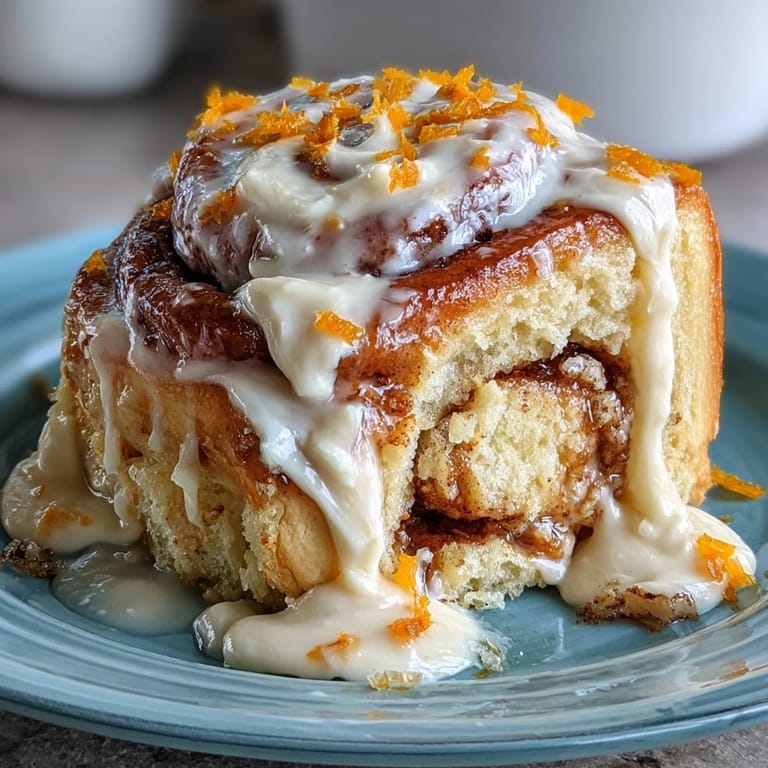
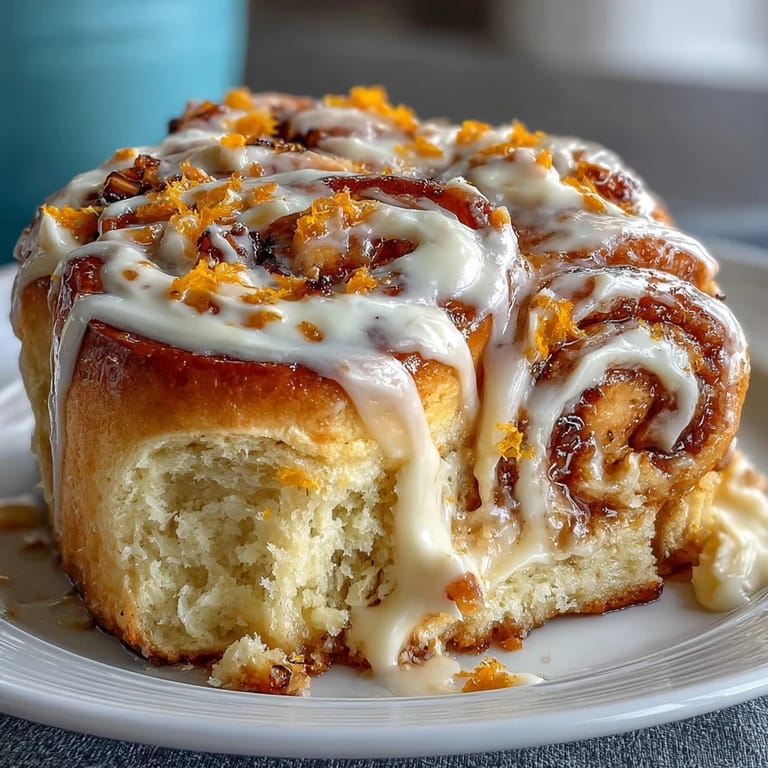
- Let rolls cool for about 10 minutes so they're warm but not so hot the frosting melts immediately, then spread a generous amount over each roll. The frosting will soften slightly and settle into the crevices, creating this wonderful tangy-sweet coating.
 Save
Save I remember bringing these to an office potluck once, and watching the coworker who only eats "healthy" food take one, then silently take a second while everyone was distracted. Sometimes the most meaningful thing food can do is surprise someone into joy, and these rolls seem to do that reliably. There's something about the combination of soft, yeasted dough and bright citrus that feels like permission to enjoy breakfast as an actual occasion instead of an afterthought.
Why Orange Juice Changes Everything
Most sweet rolls rely entirely on sugar and fat for richness, which creates a one-dimensional sweetness that gets cloying by the third bite. Replacing a quarter of your liquid with fresh orange juice adds natural acidity and subtle flavor complexity that your mouth notices even if you can't name it—it's the difference between good rolls and rolls that make people ask for the recipe. The juice also keeps the crumb structure tender because citric acid affects gluten development slightly, preventing the dense, tough texture that over-kneading or old dough can create. I learned this accidentally by using juice when I was out of milk, and it was such an improvement that I never went back.
The Filling-to-Dough Ratio
Too much filling makes rolls burst open during baking and creates these awkward pockets where the filling pools instead of distributing evenly. I spent one experimental morning trying to cram extra filling in because I wanted maximum flavor, and the rolls got messy and uneven—some had gooey centers, others were mostly dough. The amounts here are balanced so each bite gets butter, orange sugar, and dough in proportion, and everything stays contained during baking, meaning your presentation stays beautiful and your eating experience stays consistent from the first roll to the last. The softened butter spreads to every corner without fighting the dough, and the orange sugar sticks to the butter without creating clumps.
Make-Ahead Magic and Storage
Shape your rolls the night before, cover the baking dish with plastic wrap, and refrigerate them; the cold slows fermentation but doesn't stop it completely, so they'll be perfectly risen and ready to bake straight from cold in the morning. This means you can have fresh-from-the-oven rolls with minimal effort—just bake while coffee brews, frost while they cool, and be eating breakfast within 30 minutes of waking. Baked rolls keep in an airtight container for three days and freeze beautifully for up to three months, though they're so good that freezing them feels optimistic. Frosting will firm up at room temperature, so if you make them ahead, store the frosting separately and spread it just before serving for the best texture and appearance.
- Freeze shaped, unbaked rolls in the baking dish for up to two weeks, then thaw overnight before the final rise and bake as usual.
- Unfrosted baked rolls reheat beautifully wrapped in foil at 300°F for about 10 minutes, coming back to life almost perfectly.
- The frosting gets slightly stiff when cold, so bring it to room temperature before spreading if it's been refrigerated.
 Save
Save These rolls became my solution for when I want to feel like I actually cooked something impressive without the day-long commitment of laminated doughs or finicky techniques. They're the kind of recipe that rewards you for following the steps without punishing you for small mistakes, and that's a rare and valuable thing in the bread world.
Recipe FAQs
- → Can I use different citrus fruits in these rolls?
Yes, lemons or tangerines can replace oranges to create a unique citrus flavor while keeping the dough and frosting balanced.
- → How long should the dough rise before baking?
The dough should rise until doubled in size, approximately 1 hour, and then again after shaping for 30–40 minutes to ensure fluffiness.
- → What texture should the dough have before shaping?
The dough should be soft and slightly sticky but elastic, perfect for rolling without tearing.
- → Can the rolls be prepared ahead of time?
Yes, after shaping, cover and refrigerate overnight. Let them rise at room temperature before baking the next day.
- → What is a good beverage pairing for these rolls?
A cup of Earl Grey tea or a glass of fresh orange juice complements the citrus notes and richness well.