 Save
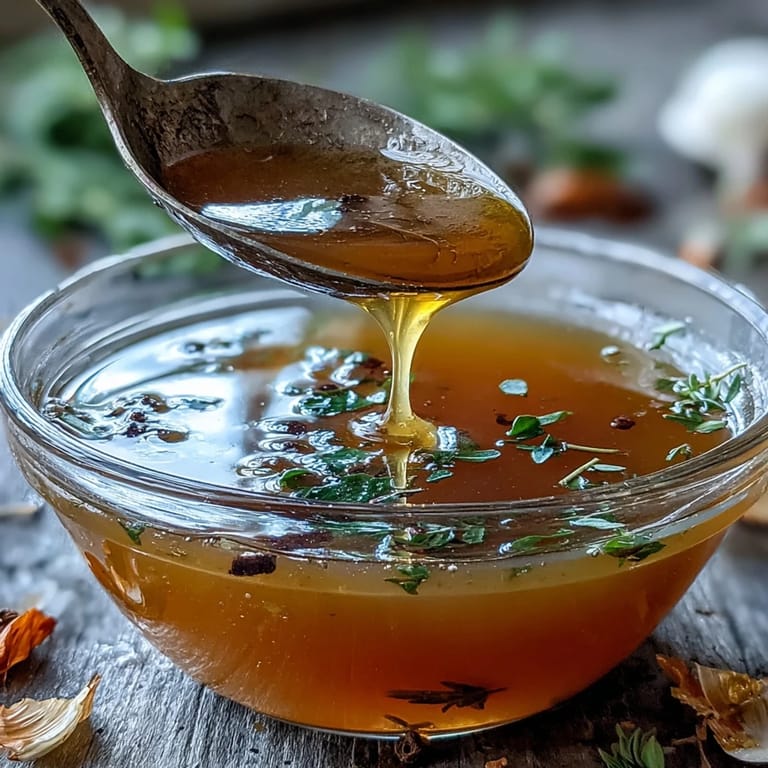
Save My freezer used to be a graveyard of half-used vegetables and random trimmings that I felt guilty throwing away. One afternoon, while chopping vegetables for dinner, it struck me that all those carrot peels and onion skins piling up in my compost bin could become something useful. That evening, I threw together whatever scraps I had with some water and herbs, and two hours later, I had the most aromatic, golden broth simmering on the stove. It tasted like intentionality in liquid form.
I made this broth last winter when my neighbor mentioned she was making soup for a colleague recovering from surgery. I had been collecting scraps for weeks, so I simmered a big batch and gave her three containers of the finished broth, still warm. Watching her face when she tasted it and realized it came from vegetable scraps was a small moment that made me understand the quiet power of good food made with care.
Ingredients
- Vegetable Scraps: Aim for about 5 to 6 cups of clean trimmings like carrot peels, onion skins, celery ends, leek tops, mushroom stems, garlic skins, and parsley stems, which form the soul of the broth and give it depth.
- Bay Leaves: Two of them add a subtle earthiness and help round out the flavor profile without overpowering.
- Whole Black Peppercorns: Eight to ten peppercorns give a gentle warmth and keep the broth from tasting flat.
- Garlic: Two smashed cloves are optional but recommended for that savory backbone that makes people ask what your secret is.
- Fresh Herbs: A small handful of parsley or thyme sprigs (or both) brings freshness and makes the broth taste like you actually know what you're doing.
- Salt: Start with 1 to 2 teaspoons and taste as you go, because salt is the difference between broth and liquid gold.
- Cold Water: Two liters is the standard, though you can adjust based on how concentrated you want the final broth to taste.
Tired of Takeout? 🥡
Get 10 meals you can make faster than delivery arrives. Seriously.
One email. No spam. Unsubscribe anytime.
Instructions
- Gather Your Scraps Thoughtfully:
- Start collecting vegetable trimmings as you prep meals, rinsing them well under cool water to remove any dirt. Keep them in a container in the fridge or freezer until you have enough to make a pot of broth, which usually takes me about a week or two of normal kitchen life.
- Build Your Broth Base:
- Dump your clean scraps, bay leaves, peppercorns, garlic, and herbs into a large stockpot, then pour in the cold water and add salt. The cold water helps extract maximum flavor as it slowly heats.
- Bring It to Life:
- Turn the heat to medium-high and watch as the liquid gradually comes to a gentle boil, which usually takes about 10 minutes. You'll start seeing little wisps of foam and smell the aromatics waking up.
- Simmer and Skim:
- Once it reaches a boil, lower the heat to medium-low and let it simmer gently, uncovered, for about 1 hour. Every 15 minutes or so, use a ladle or spoon to skim the grayish foam that rises to the surface, which keeps the broth clearer and more refined.
- Taste and Adjust:
- After an hour, lift a spoon of broth to your lips and see if you need more salt or if the flavor feels balanced and complete. This is your moment to make it exactly right.
- Strain Away the Solids:
- Set a fine-mesh sieve or cheesecloth-lined colander over a large bowl and carefully pour the broth through, letting gravity do the work. The spent vegetables have given everything they have, so you can compost them with gratitude.
- Cool and Store Wisely:
- Let the broth cool to room temperature before transferring it to airtight containers, then refrigerate for up to 5 days or freeze for up to 3 months. A batch of this stuff in your freezer is like having a restaurant's worth of possibilities waiting in the wings.
 Save
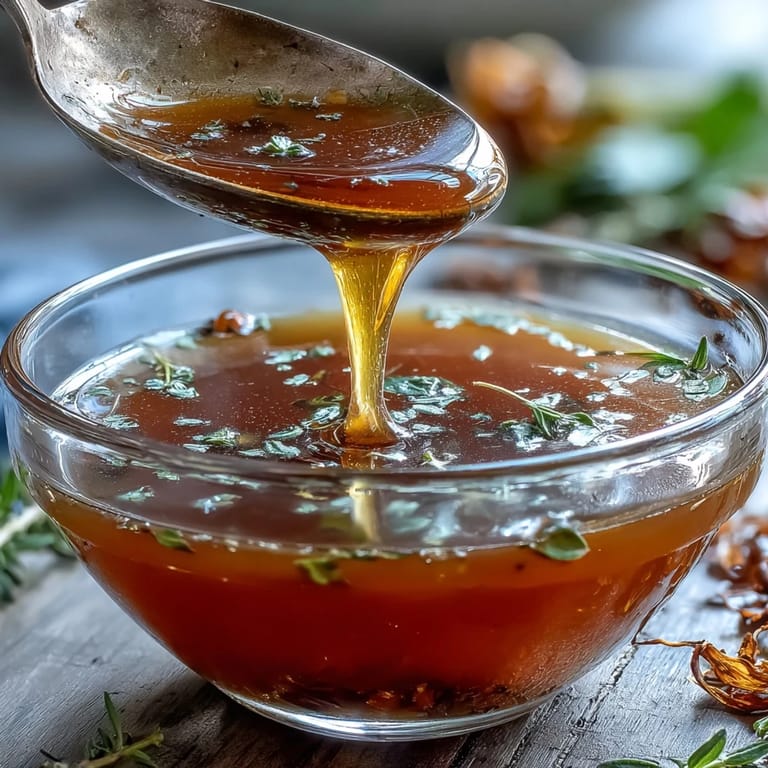
Save My mother-in-law surprised me by asking for my recipe after tasting a cup of this broth, which made me laugh because I realized I had accidentally become the kind of person who has a signature broth. It changed how I see kitchen scraps, transforming them from waste into potential.
Scraps Worth Saving
The best broths come from a diverse mix of vegetables, so keep your eyes open while you cook. Carrot peels are the backbone, onion skins add color and depth, celery scraps bring structure, leek tops have a gentle onion-like flavor, mushroom stems (especially from cremini or shiitake) add umami that makes everything taste richer, and parsley stems are flavor powerhouses that people often toss without thinking. A rotation of these throughout the week builds a better broth than using only one or two types repeatedly.
When You Want Deeper Flavor
Sometimes I crave a broth that tastes almost restaurant-quality, so I started adding a piece of kombu (dried seaweed) or a couple of dried shiitake mushrooms to the pot. They dissolve into nothing visually but add a savory depth that makes people wonder if you added chicken stock when you absolutely did not. The umami they bring is subtle but unmistakable, like a secret whispered through the spoon.
Freezing and Planning Ahead
I keep a gallon-sized freezer bag hanging on my fridge where I toss scraps as I generate them throughout the week, which means I'm always ready to make broth on a lazy Sunday afternoon. Frozen broth cubes in ice cube trays are perfect for adding to a quick sauce or risotto without thawing a whole container, and the whole process becomes less of a special project and more of a natural part of how you cook.
- Let cooled broth cool completely before freezing, as hot liquid takes up extra space and uses energy.
- Label your containers with the date so you remember that yes, that broth in the back was from September.
- Broth keeps frozen for up to 3 months, so you can make a big batch and use it slowly over the season.
 Save
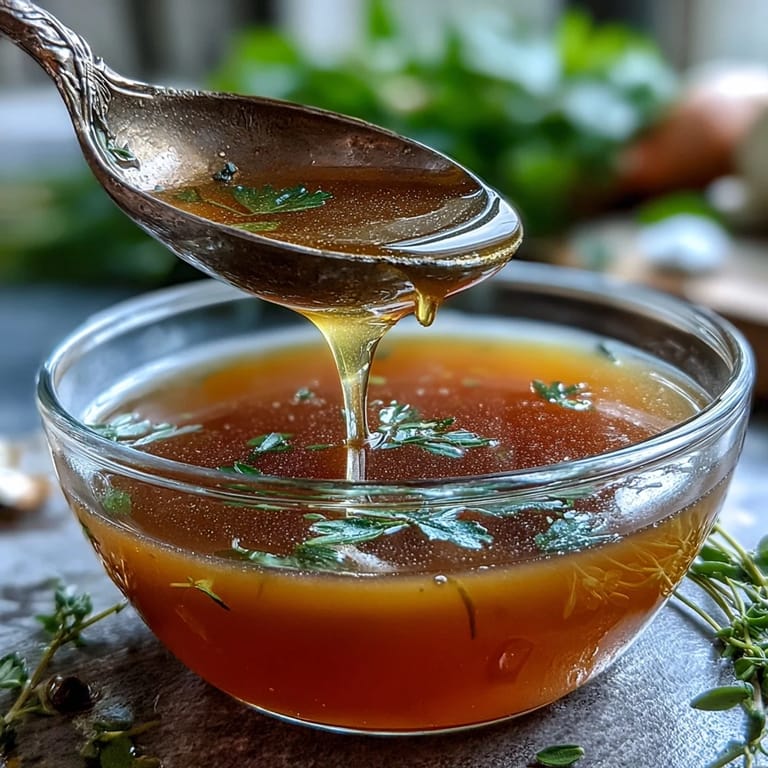
Save Making broth from scraps is one of those quiet kitchen moments that reminds you that good food doesn't require fancy ingredients or complicated techniques. Keep doing this, and one day you'll open your freezer and realize you've built something that sustains not just your cooking, but your sense of purpose in the kitchen.
Recipe FAQs
- → What vegetable scraps work best for broth?
Carrot peels, onion skins, celery ends, leek tops, mushroom stems, garlic skins, and parsley stems create excellent depth. Potato peels work if potatoes are peeled first. Avoid cruciferous vegetables like broccoli and cabbage, which can make the broth bitter.
- → How long does homemade vegetable broth last?
Store in airtight containers in the refrigerator for up to 5 days, or freeze for up to 3 months. Portion into freezer-safe containers or ice cube trays for easy use in future cooking.
- → Can I add other seasonings?
Absolutely. Kombu seaweed or dried shiitake mushrooms add deep umami flavor. Fresh thyme, rosemary, or sage work beautifully. Adjust salt to taste during the final minutes of simmering.
- → Should I roast vegetables first?
Roasting isn't necessary for this simple broth, but you can roast scraps at 400°F for 20-30 minutes before simmering to develop deeper, caramelized flavors. This adds richness but extra time.
- → What can I use vegetable broth for?
Use as a base for soups, stews, and sauces. Cook grains like rice or quinoa in it instead of water. Sip it warm like tea. Braise vegetables. The possibilities are endless and elevate any dish.